When Did Aging Become Ugly? What the Jasmine Guy Conversation Says About Us
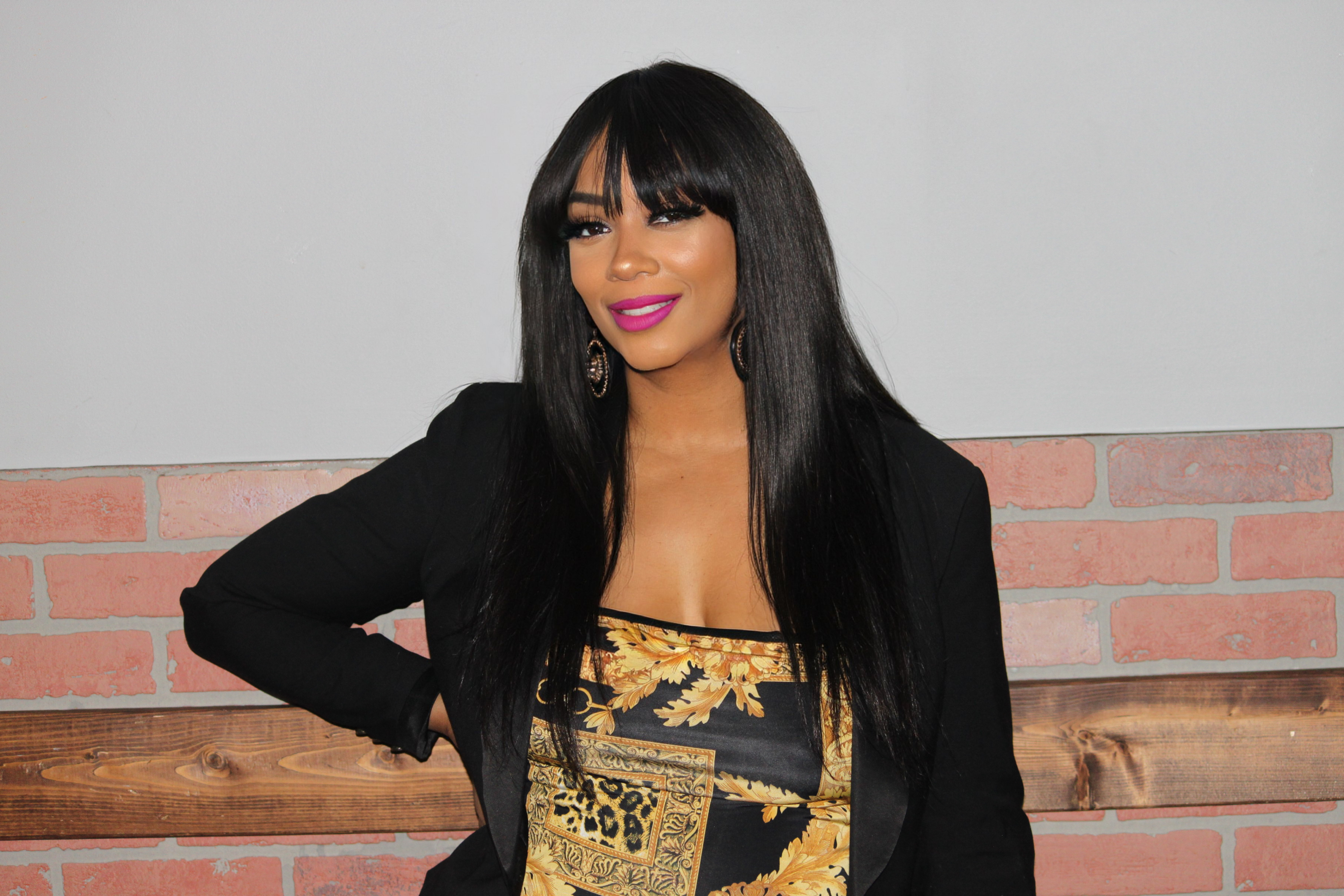
Jasmine Guy is aging.
There. I said it.
But here’s the question I think we should really be asking:
When did aging become something we were supposed to be ashamed of?
With the return of A Different World, there has been a lot of conversation surrounding Jasmine Guy and how she looks today compared with the Whitley Gilbert many of us remember.
And some of the comments have been downright disappointing.
People are analyzing her face. Comparing old pictures with new ones. Talking about how much she has aged.
Of course she has aged.
We all do.
And maybe the bigger problem isn’t how Jasmine Guy looks.
Maybe the problem is that we’ve forgotten what normal aging looks like.
Social Media Has Changed Our Definition of "Normal"
We live in a world filled with filters, Facetune, cosmetic procedures, Botox, fillers, plastic surgery and carefully selected photographs.
Let me be clear: I’m not against cosmetic surgery.
I’ve had cosmetic procedures myself in the past, so this isn’t coming from someone standing on the outside judging people who choose them.
There is nothing inherently wrong with wanting to change something about yourself.
But there is something wrong when we become so accustomed to altered appearances that we begin criticizing people for simply looking like human beings who have lived.
That’s where we’ve lost our way.
When enhanced becomes our definition of normal, normal starts looking abnormal.
Think about that.
She Was Beautiful Then. She’s Beautiful Now.
Jasmine Guy was a beautiful young woman.
She’s a beautiful older woman.
Those two things can exist at the same time.
Jasmine Guy doesn’t need to look like the Whitley Gilbert we watched decades ago.
None of us should be expected to look exactly like we did decades ago.
Our faces change.
Our bodies change.
Our hair changes.
Our skin changes.
That’s called living.
Every line doesn’t need to be erased.
Every wrinkle isn’t a defect.
Every sign of aging doesn’t require correction.
Growing older is not evidence that something has gone wrong.
It’s evidence that you are still here.
We’ve Become Too Focused on the Outside
This conversation isn’t really just about Jasmine Guy.
She’s simply the latest example of something much bigger.
We have become incredibly comfortable judging human beings by their packaging.
How young do they look?
How thin are they?
What are they wearing?
How many followers do they have?
How many likes did the picture get?
Did they use a filter?
Did they have surgery?
Meanwhile, we sometimes forget to ask the questions that actually tell us something about a person:
How do they treat people?
What’s in their heart?
What kind of character do they have?
What have they contributed?
Who have they helped?
What kind of human being are they?
Those things matter.
A perfectly smooth face doesn’t tell me whether someone has a beautiful heart.
There’s Freedom in Accepting Yourself
I have tremendous respect for people who choose to age naturally and embrace themselves through every stage of life.
There is something powerful about being able to look into the mirror, see change and still say:
I am enough.
That doesn’t mean people who choose cosmetic procedures don’t love themselves. Sometimes someone simply wants to change something that has bothered them, and that’s their choice.
I’ve made choices like that myself.
The problem begins when our personal choices become the measuring stick we use to judge everyone else.
If surgery makes you feel better about yourself, that’s your decision.
If someone else chooses wrinkles, gray hair and natural aging, that’s theirs.
Neither choice gives us permission to look down on the other person.
And someone who chooses not to chase youth deserves the same admiration and respect as someone who chooses to enhance their appearance.
Maybe We Need to Check the Mirror, and I Don't Mean the Physical One
When someone’s natural appearance bothers us enough that we feel compelled to publicly tear them apart, maybe the first question shouldn’t be:
"What happened to them?"
Maybe it should be:
"Why does the way this person looks bother me so much?"
That’s a different kind of mirror.
Sometimes we’re measuring people against standards that aren’t even real.
Filtered pictures aren’t real life.
Perfect lighting isn’t real life.
Social-media validation isn’t real life.
And youth certainly isn’t permanent.
If we’re lucky enough to live long lives, every single one of us will eventually meet an older version of ourselves.
How would you want people to treat that person?
Here’s How We Change the Conversation
We start by normalizing aging again.
Let people have wrinkles.
Let people have gray hair.
Let faces change.
Let bodies change.
Let somebody post a photograph without filtering themselves into a completely different person.
Compliment more than appearance.
Tell somebody you admire their wisdom.
Celebrate their talent.
Recognize their kindness.
Talk about their accomplishments.
Ask about their story.
And when you catch yourself judging someone solely by what you see on the outside, challenge yourself.
Look deeper.
Because one day, if you’re blessed, you’ll grow older too.
And when that day comes, hopefully the world around you will have learned that your value isn’t measured by how closely your face resembles the person you were at 25.
Aging Is Not the Enemy
I look at Jasmine Guy and don’t see someone we should be tearing apart.
I see a woman who has lived.
A woman who has grown.
A woman who has changed.
And yes, a woman who is still beautiful.
Maybe instead of asking, "What happened to her?"
We should be saying:
"Look at her. She’s still here."
That’s something worth celebrating.
Let’s stop teaching people that growing older makes them less valuable, less attractive or less worthy of being seen.
You don’t have to erase every line.
You don’t have to compete with a filtered version of yourself.
You don’t have to apologize for changing.
Do whatever makes you feel good about yourself, but give someone else the freedom to do the same.
Because real beauty isn’t about desperately holding onto the person you used to be.
It’s having the freedom to love the person you’ve become.


Comments